
Boosting Sales Through Strategic Retail Design Techniques

Retail design plays a crucial role in shaping customer experience and influencing purchasing decisions. A well-designed store does more than just look attractive; it guides shoppers, highlights products, and creates an environment that encourages buying. This post explores how retail design can increase sales by focusing on practical strategies and real-world examples.
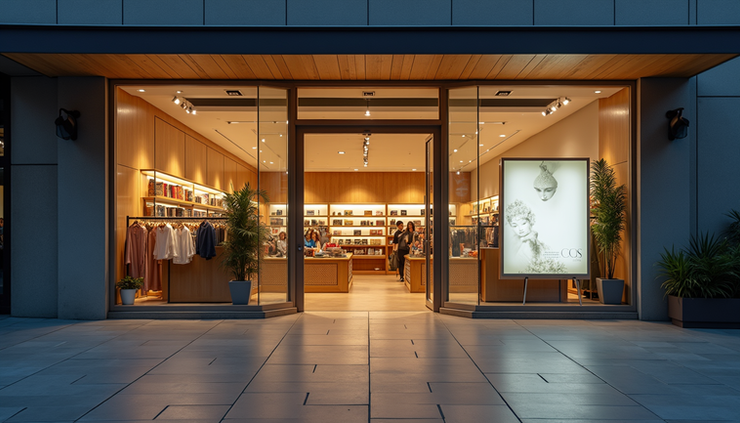
Creating a Welcoming Entrance
The first impression matters. The entrance sets the tone for the entire shopping experience. A cluttered or confusing entry can discourage customers from stepping inside, while a clean, well-lit, and inviting entrance draws them in.
Use clear, readable signage to communicate the store’s identity and promotions.
Ensure the entrance is free of obstacles and visually appealing.
Incorporate lighting that highlights the entryway and creates warmth.
For example, a boutique that uses soft lighting and minimalist displays near the entrance often sees higher foot traffic because customers feel welcomed and curious to explore further.
Designing the Layout to Guide Customers
The store layout directs how customers move through the space. A strategic layout encourages shoppers to spend more time browsing and discovering products.
Use a racetrack layout to create a circular path that leads customers past key merchandise.
Place high-demand or seasonal items at the back to encourage exploration.
Keep aisles wide enough for comfort but compact enough to maintain a sense of intimacy.
A grocery store that places fresh produce near the entrance uses this tactic to create a fresh and healthy impression, encouraging customers to continue shopping for complementary items.
Using Lighting to Highlight Products
Lighting can make or break product presentation. Proper lighting draws attention to featured items and creates an atmosphere that matches the brand’s style.
Use spotlights to highlight new arrivals or promotions.
Combine ambient lighting with accent lights to create depth.
Avoid harsh or dim lighting that can make products look unappealing.
A jewelry store, for instance, uses focused lighting on display cases to make gems sparkle and attract customers’ eyes, increasing the chance of purchase.

Incorporating Color and Materials to Influence Mood
Colors and materials affect how customers feel inside the store. Choosing the right palette and textures can encourage relaxation, excitement, or trust.
Use warm colors like reds and oranges to create energy and urgency.
Cool colors like blues and greens promote calm and trust.
Natural materials such as wood and stone add warmth and authenticity.
A bookstore that uses warm wood shelves and soft lighting creates a cozy atmosphere, encouraging customers to linger and browse longer.
Creating Zones for Different Customer Needs
Segmenting the store into zones helps customers find what they want quickly and encourages additional purchases.
Designate areas for new products, best sellers, and clearance items.
Use signage and floor markings to clearly separate zones.
Provide comfortable seating or interactive displays in certain zones to enhance engagement.
For example, a clothing store might have a casual wear zone with relaxed seating and mirrors, making it easier for customers to try on and decide on purchases.
Using Technology to Enhance the Experience
Technology can support retail design by providing interactive and personalized experiences.
Digital kiosks can help customers find products or check stock.
Interactive displays allow customers to explore product features.
Mobile apps integrated with in-store design can offer personalized deals.
A shoe store that uses a digital foot scanner to recommend the best fit combines technology with design to improve customer satisfaction and sales.


Comments